Why Tinnitus Often Feels Worse at Night
7/7/20263 min read

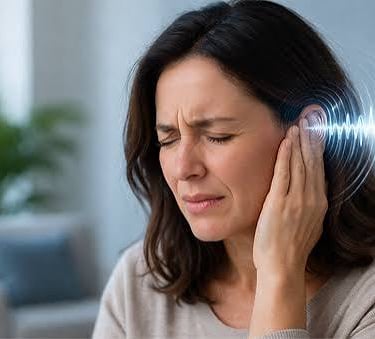
The hardest part is not always the ringing itself. It is lying awake, waiting for sleep, only to realize the sound seems louder than it did all day.
That feeling can be frightening. Many people wonder whether the ringing is getting worse every night or whether something more serious is happening.
The good news is that louder nighttime tinnitus does not automatically mean your hearing is rapidly getting worse. For many people, the sound becomes more noticeable because the world around them becomes quieter.
During the day, your brain has plenty to pay attention to. Conversations, traffic, music, fans, and everyday activity compete for your attention. At night those distractions disappear. The ringing has fewer sounds to compete with, so it naturally moves into the foreground.
Stress can make the problem feel even bigger. After a long day, your body may be tired, but your mind can become more aware of sensations that were easy to ignore earlier. Worrying about falling asleep often creates a cycle where anxiety makes the ringing feel stronger, and the stronger ringing makes sleep harder.
A few practical habits may help some people make nights more manageable:
Keep the bedroom comfortably quiet rather than completely silent. A fan or gentle background sound can make tinnitus less noticeable.
Limit caffeine or alcohol close to bedtime if you notice they affect your symptoms.
Follow a regular sleep schedule so your body is prepared for rest.
If your tinnitus suddenly changes, affects one ear only, or comes with dizziness or sudden hearing loss, seek medical care promptly.
Those steps can make a meaningful difference for some people, but it is also honest to say they do not help everyone. Understanding why tinnitus seems louder at night does not necessarily make it feel less intrusive when you are staring at the ceiling at 3 a.m. That gap between understanding and relief is often the most frustrating part.
I know because I spent years living that way.
I worked as an electrician for decades, surrounded by loud equipment that never seemed like a problem at the time. The ringing started quietly enough that I ignored it. Eventually it became the first thing I heard when I woke up and the last thing I noticed before falling asleep.
The nights were the worst.
I kept the television on because silence felt impossible. I bought a white noise machine that helped me drift off sometimes, but the ringing was still waiting when I woke up. I tried supplements that promised support for ear health and gave them weeks to work. Nothing changed. I even visited a hearing specialist, who confirmed I had some hearing loss but explained there was no simple way to make the ringing disappear.
The sentence that stayed with me was, "You may have to learn to live with it."
I remember driving home wondering whether I would ever experience real silence again.
Eventually I started reading more about tinnitus. One idea caught my attention. Researchers have been exploring how tinnitus is often linked not only to the ears but also to the way the brain processes sound after hearing changes. That made more sense to me than anything I had read before.
From there I learned about different sound-therapy approaches and attention-training techniques designed to help some people reduce how intrusive tinnitus feels over time.
I cannot tell you they will work the same way for you. I am not a doctor, and everyone's tinnitus has different causes. I can only say that learning more about how the brain responds to tinnitus changed the way I approached it.
Over time I noticed something I had not expected. I stopped checking for the ringing every few minutes. One morning I sat outside with a cup of coffee and realized several minutes had passed before I consciously noticed the sound. It was still there, but it no longer dominated every quiet moment.
That small change mattered more to me than I can explain.
If you have already tried the obvious advice and still feel stuck, your skepticism makes sense. I felt exactly the same way before I started looking beyond quick promises and learned more about how tinnitus is currently understood and managed.
I put together a free video that explains the research in plain language, what I found helpful, and the evidence behind common tinnitus management strategies without making promises that no one can honestly guarantee. Ongoing or worsening tinnitus deserves proper medical evaluation, especially if it changes suddenly or is accompanied by new hearing loss.
HealthBloomDaily
This website may include affiliate links, which means I may receive a commission if you purchase through them, at no additional expense to you. Any opinions, recommendations, or experiences shared are based on personal perspectives and should not be interpreted as guarantees of similar results. Individual outcomes will differ depending on personal circumstances. The content provided is for general informational and educational purposes only and is not intended to replace professional medical advice, diagnosis, or treatment. Always seek guidance from a qualified healthcare professional before making changes to your health routine or beginning any new supplement or wellness program.
legal
© 2024. All rights reserved.